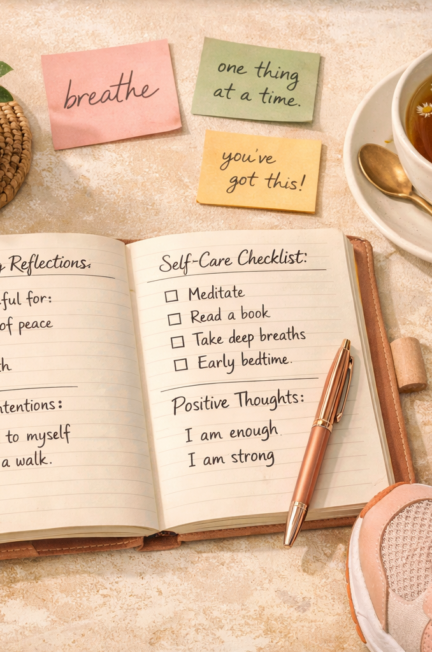
Quick Answer: Figuring out how to get motivated again starts with understanding why motivation left in the first place, not forcing yourself to push harder. Once the root cause is clear (burnout, hormonal shifts, boredom, or disconnection from purpose), small intentional actions, rest, and reconnection with what genuinely matters can bring energy back steadily and sustainably.
Key Takeaways
- Motivation loss is usually a signal, not a character flaw. Something needs to change.
- Start smaller than feels logical. Tiny actions build real momentum.
- Rest is productive. Pushing through exhaustion makes motivation worse, not better.
- Your environment shapes your energy more than most people realize.
- Movement, even a 10-minute walk, shifts brain chemistry in a meaningful way.
- Reconnecting with your “why” matters more than external pressure or guilt.
- Social connection restores motivation faster than solo willpower.
- Hormonal fluctuations are a real factor for women and deserve attention.
- Rewarding effort (not just results) retrains your brain to want to show up.
- If nothing works after consistent effort, talking to a healthcare provider is a smart next step.

Why Does Motivation Disappear in the First Place?
Motivation fades for specific, identifiable reasons, and naming them is the first step toward getting it back. Common causes include chronic stress, doomscrolling, major life transitions, hormonal changes, or simply losing sight of why a goal mattered to begin with.
Licensed psychotherapist Babita Spinelli points out that most people skip this diagnostic step entirely. They try to force effort before understanding what actually drained them. That approach rarely works for long.
Common motivation drains to look for:
- Burnout from doing too much for too long without recovery
- A goal that no longer fits who you are right now
- Hormonal shifts (especially around perimenopause, postpartum, or cycle phases)
- Chronic sleep deprivation or poor nutrition
- Isolation and lack of meaningful social connection
- Constant exposure to negative news or social media comparison
“Motivation isn’t something you find. It’s something you rebuild, one honest conversation with yourself at a time.”
Choose this approach if: Motivation has been low for more than two weeks and rest alone hasn’t helped. Identifying the root cause first saves weeks of spinning your wheels.
How To Get Motivated Again When You’re Running on Empty
When energy is at zero, the goal is not to produce more. The goal is to stop the depletion and let the nervous system reset.
Taking intentional rest (not scrolling, not passive TV, but actual rest) gives your brain the space to restore dopamine levels and let genuine inspiration return. Think of it as a mental health vacation with a purpose.
What intentional rest actually looks like:
- A full morning with no obligations, no phone, and no agenda
- Time in nature without earbuds
- A nap without guilt
- Reading something purely for pleasure
- Saying no to one thing this week that you don’t actually want to do
Common mistake: Confusing rest with laziness. Rest is the strategy. Pushing harder when depleted is what keeps motivation buried.
The Smallest Possible Action Is Usually the Right One
Starting with ridiculously small actions is one of the most effective ways to rebuild motivation. Opening a laptop and writing one sentence, folding three pieces of laundry, or spending five minutes on a creative project activates the brain’s reward system and builds confidence gradually.
This works because motivation tends to follow action, not precede it. Waiting to feel motivated before starting is a trap. Starting something small creates the feeling of progress, and progress is what actually fuels motivation.
A simple momentum-building approach:
- Pick one goal or task that’s been sitting untouched.
- Break it into the smallest possible first step (not the whole thing, just the entry point).
- Do only that step. Stop there if needed.
- Notice how it feels to have done something.
- Repeat tomorrow with the next smallest step.
Edge case: If even the smallest step feels impossible, that’s worth paying attention to. It may signal depression or burnout that needs professional support rather than a productivity strategy.
Does Your Environment Actually Affect Motivation?
Yes, significantly. Natural light, an organized workspace, and visual reminders of goals all reduce decision fatigue and restore mental clarity in ways that feel almost immediate.
Cluttered, dark, or chaotic spaces drain cognitive energy before the day even starts. Simple environmental changes, like opening blinds, clearing a desk surface, or putting a meaningful photo where it’s visible, can shift mood and focus noticeably.
Quick environment audit:
| Element | Draining Version | Energizing Version |
|---|---|---|
| Lighting | Dim, artificial, no windows | Natural light or warm lamp |
| Workspace | Cluttered, disorganized | Clear surface, one task visible |
| Visual cues | Screens everywhere | Goal reminder, inspiring image |
| Sound | Constant noise or silence | Soft music or ambient sound |
| Air | Stuffy, stale | Fresh air, a window cracked open |
Posting visible goal reminders, a mantra on a sticky note, a photo that represents what matters, keeps excitement active without requiring constant willpower.
How Does Movement Help You Get Motivated Again?
Movement is one of the fastest ways to shift brain chemistry and restore motivation. Even a 10-minute walk boosts dopamine and circulation, which directly supports energy and mood.
This isn’t about exercise as punishment or a productivity hack. It’s about giving the body what it needs to function well, because a depleted body makes everything feel harder, including caring about goals.
Low-effort movement options for low-motivation days:
- A slow walk around the block (no pace goals, no tracking)
- Stretching for five minutes while coffee brews
- Dancing to one song in the kitchen
- Gentle yoga or a short YouTube flow
- Swimming, if that’s something that used to bring joy
Choose movement if: Energy feels flat but mood is otherwise okay. Movement works best as a reset tool, not a cure for deeper burnout or depression.
How To Get Motivated Again by Reconnecting With Your Why
Motivation that comes from guilt, external pressure, or comparison rarely lasts. Intrinsic motivation, the kind that comes from genuinely caring about something, is far more sustainable.
Asking “why does this goal actually matter to me?” and sitting with the honest answer (not the answer that sounds good) reconnects the emotional thread that makes effort feel worthwhile.
Questions worth journaling on:
- What did this goal mean to me when I first set it?
- Has my life changed in ways that make this goal no longer fit?
- What would it feel like to actually achieve this?
- Is this my goal, or someone else’s expectation I absorbed?
Revisiting activities or people that previously inspired motivation, swimming, a creative hobby, a particular friend’s energy, can also reignite engagement in a way that logic alone cannot.
Can Social Connection Really Restore Motivation?
Social connection is one of the most underrated motivation tools available. Texting a friend, meeting someone for coffee, or joining an online community with shared interests boosts oxytocin, reduces isolation, and provides natural accountability.
Women especially tend to process emotion and energy through connection. Isolation tends to compound low motivation quickly, while even brief positive contact can shift perspective noticeably.
Low-effort ways to connect:
- Text one person you haven’t spoken to in a while
- Join a free online group around something you enjoy
- Share a small goal with a friend and ask them to check in
- Plan a walk with someone instead of going alone

What Role Do Hormones Play in Motivation for Women?
Hormonal fluctuations in cortisol, estrogen, and serotonin directly influence energy, drive, and emotional resilience. This is a real physiological factor, not an excuse.
For women navigating postpartum recovery, perimenopause, cycle-related energy shifts, or chronic stress, motivation loss may have a biological component that lifestyle changes alone won’t fully address.
When to talk to a healthcare provider:
- Motivation has been consistently low for a month or more
- Sleep, appetite, or mood have also shifted significantly
- Nothing in this guide has made a noticeable difference after two to three weeks of consistent effort
- There’s a history of thyroid issues, hormonal imbalance, or depression
Conclusion
Getting motivated again isn’t about forcing yourself back into hustle mode. It’s about identifying what actually drained the energy, giving the body and mind what they need to recover, and rebuilding momentum through small, honest, sustainable steps.
Actionable next steps to take this week:
- Spend 10 minutes identifying the most likely root cause of your motivation dip.
- Schedule one block of intentional rest (no screens, no tasks).
- Choose the single smallest action toward one goal and do only that.
- Make one environmental change in your main workspace.
- Reach out to one person who makes you feel energized.
Motivation comes back. It always does, when the conditions are right and the pressure to perform is gently set aside.
FAQ
How long does it take to get motivated again?
For most people, motivation starts returning within one to two weeks of addressing the root cause and taking consistent small actions. If it hasn’t shifted after a month, a healthcare provider can help rule out hormonal or mental health factors.
Is it normal to lose motivation as a mom?
Completely normal. Caregiving is demanding, identity shifts are real, and chronic sleep deprivation affects brain chemistry directly. Low motivation in motherhood is usually a signal that something needs to change, not a sign that something is wrong with you.
Should I push through low motivation or rest?
It depends on the cause. If it’s mild resistance or procrastination, a small action helps. If it’s burnout or exhaustion, pushing harder makes things worse. Rest first, then act.
What’s the fastest way to feel motivated again?
Movement and social connection tend to produce the fastest shifts in mood and energy. A 10-minute walk followed by a conversation with someone who energizes you can change the tone of a whole day.
Can negative self-talk kill motivation?
Yes. Thoughts like “this is too hard” or “I always fail at this” directly suppress the brain’s motivation circuits. Replacing them with more accurate, neutral thoughts (not forced positivity) gradually retrains the pattern.
What if nothing works?
If consistent effort over several weeks hasn’t helped, that’s useful information. Talk to a doctor or therapist. Persistent low motivation can be a symptom of depression, thyroid issues, or hormonal imbalance, all of which are treatable.
Is it okay to change a goal I’ve lost motivation for?
Absolutely. Sometimes motivation disappears because the goal no longer fits your actual life. Revising or releasing a goal isn’t giving up. It’s being honest about what matters now.
How do I stay motivated once I get it back?
Build systems rather than relying on feelings. Visible reminders, small daily habits, accountability with a friend, and rewarding effort (not just outcomes) make motivation more consistent over time.